Smile Machine Embroidery Design Review
As an experienced embroidery designer who has spent countless hours digitizing and testing designs for both personal hobbies and commercial ventures, I am always on the lookout for files that offer a perfect balance of artistic flair and technical reliability. When browsing through Creative Fabrica embroidery options, I recently came across the Smile Machine Embroidery Design. It caught my eye immediately because it promises to spread happiness and positivity, combining bold typography with a friendly smiley face. But does this design actually deliver when placed under the needle for a real customer order? In this review, I will walk you through my honest evaluation of this product as if I were preparing it for a boutique client.
First Impressions: Mood and Visual Appeal
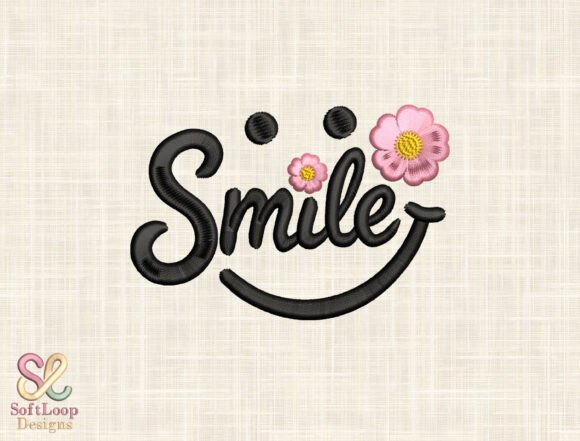
The moment I opened the preview files for the Smile Machine Embroidery Design, the visual mood was exactly what I hoped for. The combination of artistic lettering and a classic smiley icon creates an instant sense of warmth. For designers selling on Etsy or at craft fairs, first impressions are everything. This design naturally fits into the Inspirational category, making it an ideal choice for nursery decor, baby blankets, or motivational wall art. The floral elements mentioned in the description suggest a softness that contrasts beautifully with the bold text, adding a decorative appeal that elevates the piece beyond a simple logo.
However, before committing to a full production run, I had to consider how these details translate from a screen to fabric. The design appears to rely heavily on a mix of satin stitches for the outlines and fill stitches for the background. This is a common technique in high-quality embroidery file creation, but it requires careful attention to stitch density. If the density is too high, the fabric might pucker; if too low, the image may look sparse. My initial assessment suggests that this design has the potential to be a standout piece for handmade products, provided the execution matches the digital promise.
Real-World Application: From Tote Bags to Apparel
I often test new designs by imagining them on specific finished products. Where would the Smile Machine Embroidery Design shine? It feels perfectly suited for custom apparel like sweatshirts and aprons. The cheerful nature of the smiley face makes it a fantastic addition to kitchen towels or baby items, where parents want something cute and uplifting. For those looking to create commercial embroidery items, this design could serve as a unique asset for tote bags or cap patches.
Imagine a small business owner creating a line of eco-friendly tote bags. A large, centered version of this design could act as the main brand element. Alternatively, for a boutique selling personalized gifts, a smaller version embroidered on a pillow cover or a patch could add significant value. The versatility of the design allows it to work well in various contexts, from handmade product launches to seasonal gift collections. Its positive message resonates well with buyers looking for thoughtful, uplifting items, which can directly influence customer engagement and repeat sales.
Practical Considerations for Stitching
While the concept is sound, the devil is in the details. As a professional, I know that not all designs are created equal when it comes to machine performance. One of the first things I checked was the suitability for different hoop sizes. If the design includes tiny lettering or intricate floral details, it might struggle in a small hoop, leading to distortion or lost detail. For curved surfaces like caps, the design needs to be adjusted for curvature to ensure the text remains legible and the smiley face doesn't look warped.
Another critical factor is thread color contrast. On dark fabrics, the bold typography must pop, while on light fabrics, the colors should remain vibrant without overwhelming the material. I also considered the stitch density. Dense areas, particularly around the smiley face, can sometimes cause issues if the stabilizer isn't chosen correctly. Using the proper stabilizer is non-negotiable, especially when working with stretchy fabrics like those found in t-shirts or sweatshirts. Without adequate support, the tension can pull the fabric, ruining the clean lines of the satin stitch.
For those planning to use this design on textured fabrics, such as denim or heavy canvas, testing on scrap material is essential. The Smile Machine Embroidery Design looks great digitally, but how it interacts with the texture of the final material is key. If the design relies on fine running stitch details, they might get lost in a thick weave. Therefore, inspecting small details after stitching is a vital step before mass production.
Impact on Product Value and Brand Consistency
In the world of digital embroidery file sales and physical goods, quality dictates price. A well-executed Smile Machine Embroidery Design can significantly boost the perceived value of your finished product. Buyers are willing to pay more for items that show care, precision, and attention to detail. When the stitching is crisp and the colors are true, it builds buyer trust and enhances the overall presentation of your brand.
This design also offers excellent opportunities for printable mockup creation. Because of its clear composition and positive imagery, it translates well into digital marketing materials. You can showcase it on various backgrounds to attract customers before they even see the physical item. However, consistency is key. Ensure that the font weight and style match other elements in your shop's branding. A mismatched aesthetic can confuse customers and dilute the impact of your design assets.
Essential Steps Before You Start Stitching
If you decide to incorporate the Smile Machine Embroidery Design into your workflow, there are several practical steps you must take to ensure success. First, always test on scrap fabric using the same type of material and stabilizer you plan to use for the final project. This helps you gauge the tension and identify any potential puckering issues early on.
Next, verify the file details and licensing terms on the Creative Fabrica product page. Understanding whether you have the right to sell the finished items commercially is crucial for avoiding legal pitfalls. Check the recommended hoop size and compare light and dark fabric mockups to ensure the color palette works for your target audience. Pay close attention to the thread colors suggested; sometimes, changing a single thread can make the difference between a dull design and a vibrant one.
Finally, inspect the small details after stitching. Look for loose threads, missed jumps, or areas where the fill stitch might be too dense. These minor imperfections can affect the longevity of the item, especially if it needs frequent washing. By taking these precautions, you ensure that your custom apparel or embroidered patch meets the high standards expected by today's consumers.
In conclusion, the Smile Machine Embroidery Design holds great promise for creators looking to add a touch of joy to their projects. With careful preparation and a keen eye for technical details, it can become a staple in your collection of tote bag design ideas or sweatshirt embroidery patterns. Whether you are a seasoned pro or just starting out, this design offers a wonderful opportunity to spread positivity while building a successful handmade business.