Pansy Flowers Embroidery Design: A Designer's Reality Check
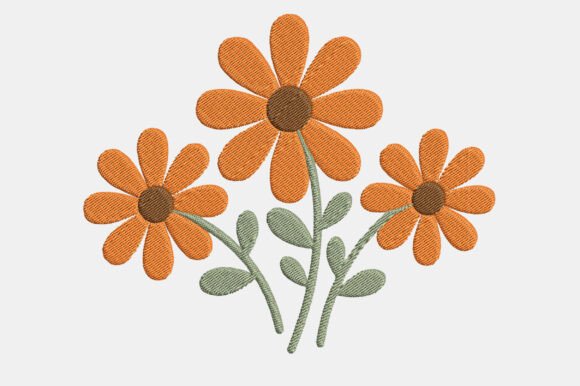
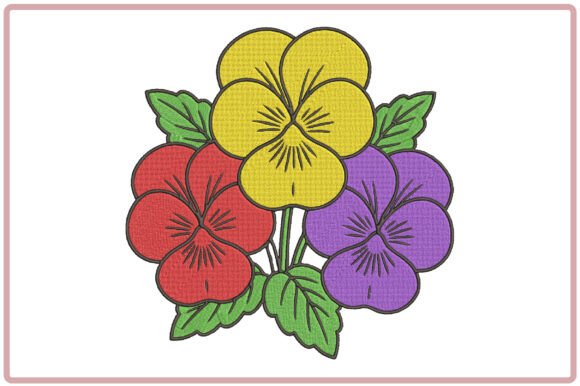
When I first opened the Pansy Flowers Embroidery Design file, my immediate reaction wasn't about stitch counts or file formats. It was about the mood. There is something inherently cheerful yet grounded about a trio of pansies in yellow, red, and purple. Unlike some floral designs that feel generic or overly ornate, this Single Flowers category entry feels like it belongs on a well-loved kitchen towel or a soft baby onesie. As someone who reviews digital assets for real-world production, I am always looking for that specific balance between visual appeal and technical feasibility. This design hits that sweet spot, but only if you understand where it fits best.
The First Impression: Mood and Visual Personality
The layout of these three blooms creates a natural flow that guides the eye across the fabric. The classic mix of colors suggests warmth and approachability, making it an excellent choice for handmade products intended as gifts. When I visualize this embroidery project in action, I don't see it on a stiff corporate polo shirt; I see it on a tote bag carrying groceries, a patch on a denim jacket, or a decorative accent on a nursery pillow. The design has a personality that says "handcrafted with care" rather than "mass-produced factory item."
The detail level is moderate, which is exactly what we want for a versatile machine embroidery design. It isn't so sparse that it looks unfinished, nor is it so dense that it risks puckering lightweight fabrics. The color palette allows for creative flexibility. You can stick to the provided thread colors for a vibrant pop, or swap them out for pastels to suit a spring wedding theme or darker tones for a rustic autumn aesthetic. This adaptability is crucial for Etsy sellers and small business owners who need to create unique variations without buying new files.
Real-World Application: From Digital File to Finished Product
Let me walk you through a scenario I recently encountered while testing similar assets. Imagine you are preparing a custom embroidered tote bag for a local craft fair. You want something that stands out on a rack full of plain canvas bags. You decide to use the Pansy Flowers Embroidery Design centered on the front panel. Because the design features a trio of flowers, it fills the space beautifully without overwhelming the bag's structure.
However, the success of this finished product depends heavily on your execution. If you embroider this onto a thin, stretchy cotton blend without proper stabilizer, the tension will likely cause the fabric to gather around the flowers, distorting the petals. I recommend using a cut-away stabilizer for tote bags to ensure the design holds its shape over time, especially since these items undergo frequent washing and handling. For a sweatshirt, a tear-away might suffice if the knit is stable, but for a cap or hat, the curved surface presents a challenge. The density of the fill stitches needs to be evaluated carefully to prevent the fabric from pulling too tightly against the curved brim.
This design also shines in the realm of personalized gifts. Think of a set of matching aprons for a family gathering or a series of baby clothes for a shower. The embroidery file works wonderfully here because the flower motif is universally liked and rarely clashes with other patterns. For commercial embroidery projects, such as branding boutique merchandise, the professional look of the satin stitch edges adds a touch of polish that elevates the perceived value of the item. Customers notice the quality of the stitching, and a clean, crisp pansy design signals attention to detail.
Where to Exercise Caution: Technical Limitations
While this design is robust, no single file is perfect for every situation. There are specific scenarios where the Pansy Flowers Embroidery Design requires extra caution. If you are working with very small hoop sizes, the intricate details of the flower centers might get lost or become indistinguishable when stitched at a reduced scale. Always check the recommended dimensions before scaling down.
Textured fabrics can also play tricks on your eyes during the design phase. On a heavy corduroy or a thick fleece, the definition of the petals may not come through as clearly as it does on smooth cotton or linen. Similarly, dark fabrics require high contrast. If you plan to stitch this on navy blue or black material, you must ensure your thread selection provides enough brightness to make the yellow and red pops visible. A low-density design on a dark background can sometimes look muddy if the underlay isn't sufficient.
Another area to watch is stretchy fabrics. While the design itself is static, the fabric beneath it moves. If you attempt to embroider this on a jersey t-shirt or a stretchy athletic wear without a strong adhesive stabilizer, the entire image could shift or warp during the stitching process. For curved surfaces like caps, the distortion factor is significant. You may need to adjust the digitization or choose a placement that minimizes the curve's impact on the flower shapes. Finally, avoid using this design on items that require extreme durability, such as workwear that will be subjected to harsh industrial washing cycles, unless you have verified the stitch density is high enough to withstand abrasion.
Designer Notes for Professional Results
Before you commit this machine embroidery design to your final production run, there are several practical steps you should take. First and foremost, test the design on scrap fabric. This simple step reveals how the stitch density interacts with your specific material. You might find that you need to add more underlay stitches to prevent the fabric from showing through the flowers.
Reviewing the stitch density is critical. If the design is too dense, it will create a stiff, board-like texture that feels cheap on garments. If it is too light, the design may lack definition. Ensure you are using the correct type of stabilizer for your fabric weight. For delicate items like baby clothes, a soft tear-away or water-soluble stabilizer is often preferred to maintain comfort. Don't forget to inspect the small details in a mockup. Sometimes, a design looks great on screen but loses its charm when converted to thread. Testing it in black and white mockups can help you gauge the contrast and silhouette of the flowers.
For those selling digital products or finished goods, confirm the licensing terms. Some digital embroidery files allow for personal use only, while others permit commercial sales of the finished items. Understanding these distinctions protects your craft business from legal issues. Additionally, compare how the design performs on different backgrounds. A pansy that looks vibrant on white might disappear on gray, so having a library of thread colors is essential for maintaining brand consistency.
Final Thoughts on Value and Appeal
The Pansy Flowers Embroidery Design offers a solid foundation for a wide range of creative endeavors. Whether you are an Etsy seller looking to expand your catalog of holiday embroidery items or a hobbyist wanting to make a special gift, this asset delivers. It strikes a balance between simplicity and sophistication that appeals to a broad audience. By paying attention to fabric choices, stabilizers, and thread contrasts, you can transform this digital file into a stunning handmade product that customers will love.
In the world of embroidery design, the difference between a good project and a great one often comes down to preparation. Use this design as a tool to express your creativity, but respect the technical limitations of your materials. With the right approach, the vibrant trio of pansies can bring life to any fabric, turning a simple piece of cloth into a cherished keepsake.